Type 1 Diabetes
Type 1 diabetes (T1D) is a chronic condition that affects how your body handles sugar. Sugar, or glucose, is a major source of energy for your cells. To use it properly, your body depends on a hormone called insulin.
In type 1 diabetes, the body can no longer make enough insulin on its own. Because of this, you must replace insulin daily to keep your blood sugar within a safe range.
Patients of all ages can get type 1 diabetes treatment in San Antonio with our experienced endocrinologists.
What’s Happening in the Body With Type 1 Diabetes?
The defining feature of type 1 diabetes is an autoimmune reaction. This means the immune system, normally there to protect you, mistakenly attacks healthy tissue. In T1D, the immune system targets and destroys the beta cells in the pancreas. These cells are responsible for producing insulin.
This process can take months or years. But once enough beta cells are lost, the pancreas can no longer meet the body’s insulin needs. From that point on, insulin needs to be replaced for normal body function.
Diabetic ketoacidosis (DKA) is a serious condition that can happen when the body does not have enough insulin. It causes dangerous acid buildup in the blood and needs emergency medical care. Symptoms include very high blood sugar, nausea or vomiting, stomach pain, fruity-smelling breath, and confusion. It requires emergency care.
What Causes Type 1 Diabetes?
Type 1 diabetes happens when the body’s immune system makes a mistake. It attacks the cells in the pancreas that make insulin. Insulin helps move sugar from the blood into the body’s cells for energy.
Type 1 diabetes is not caused by eating sugar, poor diet, or lifestyle choices. It is not something you did.
Doctors believe type 1 diabetes may start because of:
- Genes that increase risk
- Environmental triggers, like a virus
- Immune changes that can begin long before symptoms show
Is Type 1 Diabetes Genetic?
Type 1 diabetes can run in families, but it is not always passed down. Some people with type 1 diabetes have a family member with it, but many do not.
Genes can make someone more likely to get type 1 diabetes. But genes alone are usually not enough. Other factors are often needed before the disease starts.
Who Develops Type 1 Diabetes?
Type 1 diabetes is most often found in children and teens, but adults can get it too. When adults develop type 1 diabetes, symptoms may show up slowly and can look like type 2 diabetes at first.
Anyone can develop type 1 diabetes, no matter their age, weight, or activity level.
Type 1 Diabetes Symptoms
Symptoms happen because excess glucose spills into the urine, pulling water with it. The body loses fluids and calories, leading to:
- Dehydration
- Increased thirst
- Frequent urination
- Increased hunger
- Fatigue
- Blurred vision
- Unintentional weight loss
How Is Type 1 Diabetes Diagnosed?
Doctors use blood tests to check how high your blood sugar is and how your body handles sugar. These may include:
- A fasting blood sugar test, done after you haven’t eaten
- An A1C test, which shows your average blood sugar over the past few months
- A glucose tolerance test, which checks how your body responds after drinking a sugary liquid
- A random blood sugar test, especially when symptoms are present
If type 1 diabetes is suspected, your doctor may order tests that look for signs of an immune attack on the cells in the pancreas.
How Is Type 1 Diabetes Treated?
Managing T1D means paying close attention to blood sugar and responding to changes throughout the day. Insulin therapy is required.
Insulin is delivered:
- By injection under the skin
- Through an insulin pump, which provides continuous insulin delivery
Most treatment plans include:
- A long-acting insulin to cover baseline needs
- Short-acting insulin for meals and corrections
How Much Insulin Is Needed?
Insulin needs can change throughout the day. Because of this, checking blood sugar regularly is an important part of managing type 1 diabetes. Monitoring helps people notice changes early and respond before levels become unsafe.
Blood sugar may be checked with:
- Finger-stick tests, which give quick readings
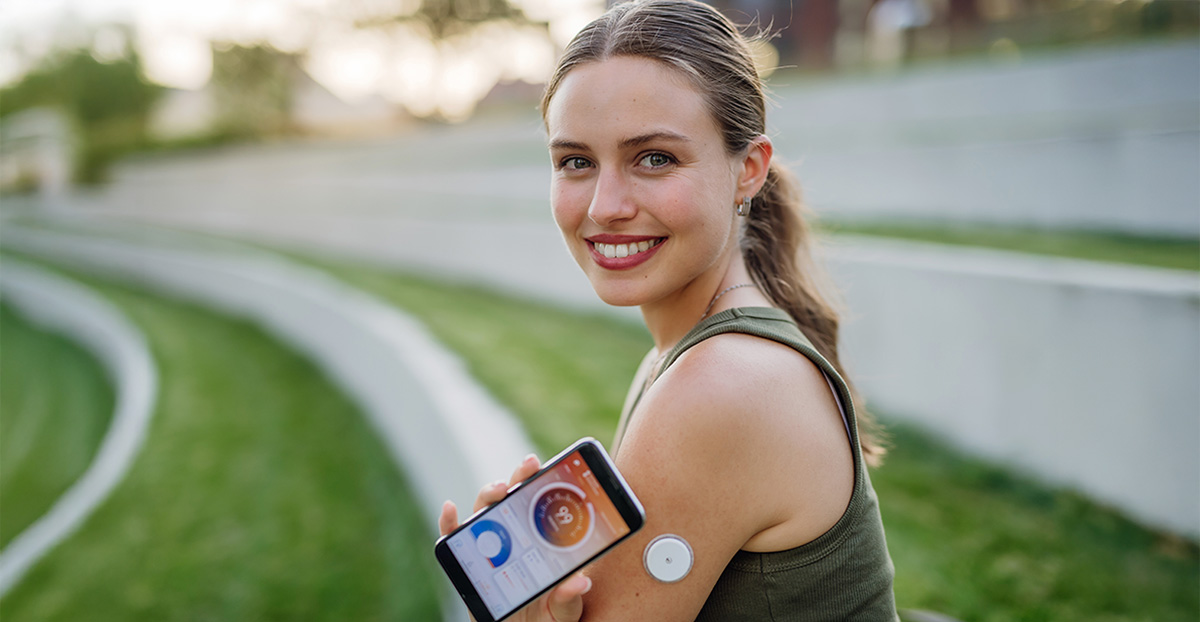
- Continuous glucose monitors (CGMs), which track levels throughout the day and night
- Advanced options like the Eversense CGM provide a more permanent solution.
These tools help guide insulin dosing and reduce the risk of dangerously high or low blood sugar.
Can Complications Be Prevented?
With careful management and ongoing screening, many complications can be delayed and, in some cases, even avoided. Testing and tools are available to help detect early changes in the:
- Eyes
- Kidneys
- Nerves
- Heart and blood vessels
- Feet
Ongoing monitoring includes eye exams, kidney tests, and foot and skin checks to find early diabetes-related changes.
SudoScan can detect early nerve changes, even before symptoms like numbness or tingling appear. During the test, you rest your hands and feet on metal plates for a few minutes while the device measures sweat gland response.
The ankle-brachial index (ABI) compares blood pressure in the ankle and arm to check circulation in the legs and feet. This test helps identify reduced blood flow that can raise the risk of slow-healing wounds or infections.
Type 1 Diabetes FAQs
1. Why does planning matter with type 1 diabetes?
Being prepared for things like getting sick, traveling, or changes to your usual schedule helps you stay on track. Wearing a medical ID is also important because it lets others know you have diabetes if you ever need help.
2. What if I already have diabetic nerve pain?
Diabetic nerve pain can often get better, even when the nerve damage itself cannot be fully fixed. Treatment options include nerve-focused medicines, healthy lifestyle changes, proper foot care, and nerve stimulation therapies.
3. When should I seek urgent care?
Always trust your instincts and get medical help right away if something doesn’t feel right, especially if you have:
- Symptoms of diabetic ketoacidosis (DKA)
- Ongoing vomiting
- Blood sugar that stays very high even after taking insulin
- Confusion or trouble staying alert